Login

Success Story / Electronic Component Procurement

From a Complex Supplier Network to a More Efficient Supply Chain.

A manufacturer of innovative electronic devices needed to simplify its supply chain, improve supplier coordination and optimise electronic component procurement costs.

Gocar Electronic addressed the project through supplier analysis, the negotiation of purchasing terms and improved purchase order coordination.

Warehouse staff organising goods at an industrial logistics facility
Supply Chain Optimisation Project Purchasing, suppliers and supply chain coordination.

The Starting Point

A Procurement Challenge. A Coordinated Solution.

01 / The Challenge

Managing Supplier Complexity

The manufacturer operated within a complex supply chain, making communication and purchase order coordination difficult. The company needed to improve purchasing efficiency and reduce associated supply costs.

02 / The Solution

Analyse, Negotiate and Coordinate

Gocar Electronic analysed the supplier base and negotiated with key suppliers. Improved communication and purchase order coordination helped streamline supply management.

03 / Our Objective

Improve Costs, Lead Times and Flexibility

To transform fragmented purchasing operations into a more efficient procurement process. The goal was to optimise purchasing terms, improve deliveries and respond more effectively to changes in demand.

Analysis › Negotiation › Coordination › Improved Supply

Our Procurement Approach

How We Addressed a Complex Supply Chain

Efficient procurement is not the result of a single decision. It requires an understanding of the supplier network, purchasing terms, order coordination and the ability to meet production requirements.

Project Approach: Supplier Analysis › Cost Assessment › Negotiation › Order Coordination › Improved Deliveries › Flexibility
01 Supplier Assessment Understanding the supply network and its challenges.
Professional inspecting packages stored on warehouse shelves Illustrative photograph: goods inspection and supply handling.
Initial Assessment

Identifying the Sources of Complexity

The project began with an assessment of the customer’s supplier base. The aim was to understand how its structure affected purchasing activities and purchase order coordination.

  • Reviewing the existing supplier network.
  • Identifying communication and coordination challenges.
  • Assessing opportunities to simplify management.
02 Purchasing Terms Assessment Considering pricing, availability and supply conditions.
Close-up of electronic components and integrated circuits on a PCB Illustrative photograph: electronic parts and components.
Cost Assessment

Smarter Purchasing Goes Beyond Unit Price

In a project of this kind, commercial terms must be considered alongside actual production requirements.

  • Component acquisition costs.
  • Availability and supply lead times.
  • Supplier commercial terms.
03 Negotiations with Key Suppliers Improving procurement pricing and commercial terms.
Professionals reviewing and agreeing on commercial documents Illustrative photograph: negotiation and commercial agreements.
Procurement Optimisation

Reducing Procurement Costs

Gocar Electronic negotiated with key suppliers, drawing on its commercial expertise in the electronic components market.

  • Negotiating commercial terms.
  • Identifying cost-reduction opportunities.
  • Considering the customer’s supply requirements.
04 Supplier Consolidation and Order Coordination Simplifying day-to-day supplier interactions.
Warehouse employees transporting and organising packages Illustrative photograph: order and material organisation.
Operational Coordination

Reducing Day-to-Day Management Complexity

Supplier consolidation and more effective communication improved purchase order coordination. This reorganisation helped simplify the purchasing department’s daily operations.

  • Simpler supplier base management.
  • Better communication regarding purchase orders.
  • Less complexity in supply chain coordination.
05 Improved Delivery Lead Times Better aligning deliveries with production.
Logistics workers loading goods onto a delivery vehicle Illustrative photograph: goods dispatch and delivery.
Production Continuity

Better Coordination Supports More Reliable Deliveries

Process improvements reduced the supply lead times described in this success story. More effective supplier communication helped expedite deliveries and support on-time production.
  • Better coordination of delivery requirements.
  • More agile supply processes.
  • More reliable production planning.
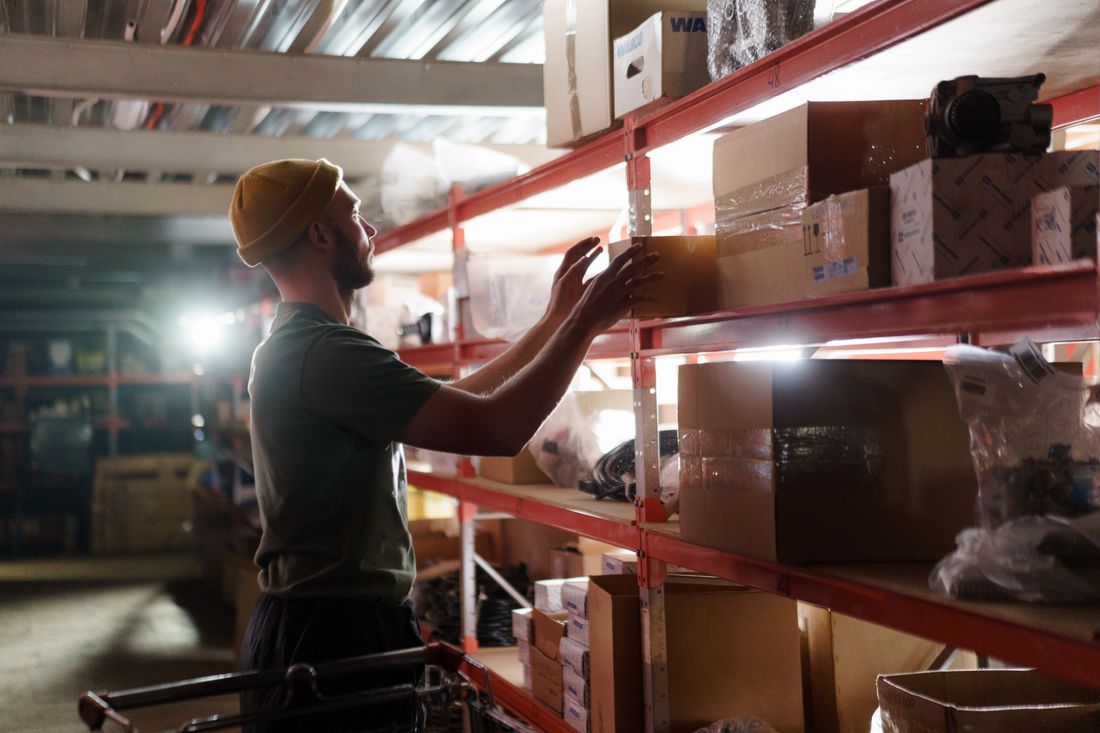
06 Flexibility in Response to Changing Demand Adapting to changing production requirements.
Warehouse worker selecting and arranging boxes on shelves Illustrative photograph: inventory and availability management.
Customer Responsiveness

Responding More Effectively to Production Needs

The optimised structure gave the customer greater flexibility to respond to demand fluctuations and changing production requirements.

  • Greater responsiveness to fluctuations in demand.
  • Adapting purchasing management to production needs.
  • Better coordination of supply priorities.

04 / Customer Impact

Results That Strengthened the Customer’s Supply Chain

01

Supplier Consolidation

Analysing and reorganising the supplier base simplified its management and improved communication and purchase order coordination.

02

Lower Procurement Costs

Negotiations with key suppliers reduced electronic component purchasing costs and improved the cost efficiency of production.

03

Improved Delivery Lead Times

Process improvements and more effective supplier communication helped achieve faster, more reliable deliveries.

04

Greater Supply Flexibility

The new structure enabled the customer to respond more quickly to changing demand and evolving production needs.

Project Outcome

A procurement process that is easier to manage, with improved purchasing terms, better delivery coordination and greater flexibility to meet the manufacturer’s needs.

05 / Final Assessment

What Matters When Assessing Procurement Efficiency

Beyond unit price, procurement efficiency must be assessed from a broader perspective: supplier management, purchasing conditions and the ability to meet production requirements.

01 / STRUCTURE

Supplier Management

Visibility of supply sources, purchasing coordination and the administrative complexity associated with orders.

02 / COST

Purchasing Terms

Cost assessment of purchasing activities, commercial terms and opportunities to reduce overall supply costs.

03 / CONTINUITY

Deliveries and Responsiveness

Lead-time monitoring, coordination with production schedules and the ability to adapt to changes in demand.

The Key Takeaway: optimising procurement means improving overall supply management, not merely finding a lower unit price. Specific metrics and improvements vary from project to project.
Let’s Discuss Your Next Project

Does Your Purchasing Team Need to Simplify Procurement?

As a hybrid electronic components distributor, Gocar Electronic helps OEM manufacturers, EMS providers and engineering companies manage complex supply requirements.

Discuss My Project

We optimized our client's provisioning process.

Caso de éxito

A manufacturer of innovative electronic devices was facing challenges in managing its supply chain due to the complexity of its electronic component suppliers.

Recognizing the need to improve its procurement process, the company partnered with Gocar Electronic, a leader in electronic component supply and management solutions.

Together, the two of us embarked on a project to transform the supply chain and optimize the procurement of key components.

Our

Objetive

  • We undertook to optimize our customer’s electronic component sourcing in order to improve operational efficiency and reduce associated costs.

We obtain

Results

  • Supplier Consolidation:
    Gocar Electronic conducted an exhaustive supplier analysis. This simplified management and improved efficiency in communication and order coordination.

  • Cost Reduction: Thanks to Gocar Electronic’s strong negotiations with key suppliers, we were able to significantly reduce electronic component procurement costs. This resulted in substantial savings in production costs for the customer, improving its profitability.

  • Improved Lead Times: Supply chain optimization enabled the company to improve its manufacturing lead times. Optimized processes and efficient communication with suppliers ensured faster and more reliable deliveries, which contributed to the customer’s on-time production.

  • Greater Flexibility: The new supply chain structure provided the customer with greater flexibility to adapt to fluctuations in market demand and respond quickly to changes in production requirements. This allowed the client to remain agile and competitive in its industry.

Contact us

Request the complete procurement case from us

The figures that support us.

Years
working for you
+ 35
Of Parts
supplied in 2023
+ 20 M
Customers
satisfied
+ 3900
Countries
we work with
30
Projects
in the last year
100
References
in stock
+ 70 K
REQUEST FOR A QUOTE